Why Polished Concrete Is A Better Flooring Option

Admin • November 16, 2022
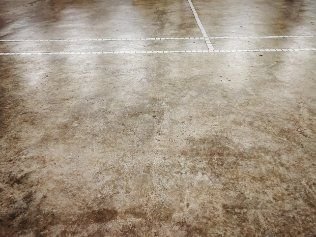
Polished concrete floors in a commercial space which was done by the expert concreters in Frankston VIC.

You may wonder whether you should install polished concrete floors in Frankston, Victoria, Australia. This article will provide information on the types of flooring available, the installation process, and the effects of concrete on building occupants. It also covers the cost of the process and the materials needed for the project.


Options

Concerning polished concrete floors in Frankston, there are several options for homeowners. Although many homeowners polish their floors themselves, you may hire a professional polishing service to ensure the best result. Professionals use specialized tools to polish concrete and have the expertise necessary for accurate results. Concrete flooring is a versatile material that can complement any modern look.


Concrete floors are an excellent choice for a home, as they are solid and durable. They are also aesthetically pleasing. Polished concrete floors in Frankston can be a unique flooring solution for your home or business. The best option is to choose a flooring material that has a glossy finish.


A concrete polishing service can restore your concrete floors to their original beauty. With this service, you can avoid the hassle of dealing with dust and other contaminants that may be present in open concrete. It also improves air quality and reduces cleaning costs. Furthermore, you can enjoy a beautiful floor for a fraction of the cost of a traditional hardwood or tiled floor.


Concrete polishing is a clean process. A vacuum system removes 98% of airborne particles, ensuring that your floors stay clean for years. However, you will need to give them regular maintenance. If you do this, your floor will be beautiful for many years. However, you should also be aware that polished concrete is prone to slipping.


Costs

Many aspects can affect the price of polished concrete floors in Frankston. The amount of surface preparation required, the type of material used, and whether there are obstacles to be overcome can all impact the price. The following chart highlights the costs associated with high-end, primary, and mid-range concrete floors and compares these prices to other flooring materials.


High-quality concrete flooring can significantly improve the look of a building while saving businesses money by reducing maintenance costs. Low-maintenance flooring benefits a business, and polished concrete is an excellent choice. It's easy to clean and lasts a long time. It can range from a simple paste polish to a high-polish finish that resembles terrazzo.


Prices vary but generally speaking, and a 200-square-foot polished concrete floor will cost between $1,540 and $3,840. The cost will also depend on the size and complexity of the floor and any repairs. Additionally, the grade level of the floor will impact the price. Finally, the cost will depend on the amount of customization that is desired.


Polished concrete floors in Frankston can have various aesthetic options. For example, you can add a decorative pattern or stamp to it. Stamped concrete, for example, allows you to add texture to the concrete to make it look like stone or tiles. Another option is wood plank stamping, which looks like wood decking or floors. Basic stamping projects typically cost around $8-12 per square foot, while more expensive designs can run as much as $18 per square foot.


The price for polished concrete floors in Frankston will vary depending on the size of the project and the amount of surface preparation required. If you have an existing concrete floor, it may need to be repaired first before the concrete overlay is applied. In addition, you will need to use a concrete overlay or screed. Overlay costs will add another $2 to $4 per square foot.


Techniques

If you want a polished concrete floor in your Frankston home, you have many options for design. The different types of concrete foundations have different levels of exposed aggregate, a mix of rock and sand. Choosing the right level of exposure will make your floor look beautiful and modern. You can also choose from different finishes, such as the salt and pepper look, which involves exposing very tiny rocks and sand.


When choosing a colour for your concrete floor, you need to select a stain or paint that fits the design you want. You can use a sprayer or brush to apply colour, and there are many different shades and blends to match your style. These are available in various primary colours and can be blended and layered to create multiple colour options. You can also use a sealer, a clear coating that protects the concrete and makes it look glossy and beautiful.


Depending on the level of shine that you're after, you can choose between two types of polishing: wet polishing and dry polishing. Dry polishing is best for high-gloss shine, while wet polishing produces a dull finish. It's important to remember that dry polishing is only suitable for some kinds of floor. If you have a large open area, wet polishing is recommended. This method is less expensive, requires less downtime than dry polishing, and is dust-free.


Another option for polishing concrete floors is to call a professional. A concrete specialist can help you choose the best style for your home. They can apply different finishes and designs, including textured concrete. You can add decorative touches to your floor by stencilling or line marking.


Impact on building occupants

The energy-efficient design of polished concrete floors has several benefits for building occupants. They help reduce energy bills by reducing the need for artificial illumination. They also improve the efficiency of lighting systems by reflecting daylight. Additionally, polished concrete can help meet LEED certification requirements by being highly reflective.


In addition to their aesthetic appeal, polished concrete floors are highly durable. They reduce the need for premature replacement of flooring, which in turn saves both time and resources. Furthermore, polished concrete can help to create a balance between environmentally friendly and non-sustainable materials. As a result, it is becoming an increasingly popular flooring solution in Minneapolis.


Unlike other flooring materials, polished concrete is environmentally friendly. Because it is highly reflective, it helps to distribute light evenly, reducing electrical lighting use by about 15%. In addition, it improves indoor air quality. It is also affordable. It is an excellent choice for any facility that needs to save on energy and maintenance costs.


The growing use of polished concrete in commercial and residential buildings has created a new market for this material. In the future, non-residential construction is expected to be a considerable factor, generating new demand for polished concrete floors. 


There are several types of polished concrete floors. These can be installed in new buildings or retrofitted. Both methods offer attractive aesthetics.


Environmental impact

A polished concrete floor is a good choice if you're trying to reduce energy costs. Because of their natural durability, polished concrete floors don't need to be replaced very often and can last for many years. Polished concrete doesn't have to be hauled to a landfill for disposal. Instead, it can be crushed and ground down into smaller pieces. These smaller pieces are valuable for construction and can even be incorporated into gravel roads. In contrast, other flooring materials are often dumped in landfills or burnt in an incinerator, which releases additional carbon into the atmosphere.


Although concrete is a durable flooring material, it can be permanently damaged by environmental or artificial factors. Polishing concrete floors is a great way to preserve the durability of concrete while adding a personal touch and a protective top layer. It can also provide a more appealing, aesthetically pleasing surface that will last for decades.


A polished concrete floor is an excellent option for many commercial settings. It is a low-cost solution that provides a beautiful, environmentally friendly floor. These floors are also highly durable and low maintenance, making them an excellent choice for various environments. You can design a truly stunning space.


Another benefit of polished concrete is that it reduces dust and mould. Carpets and other floor coverings can encourage mould growth and mildew - polished concrete floors are an excellent option for people with allergies or asthma. Additionally, the floors reflect light, helping to reduce electric bills - this is especially important since polished concrete allows you to increase ambient lighting levels by as much as 30%.


If you ever think of having polished concrete floors, call our team at 03 5910 4479 - we can help you achieve your dream flooring!

Free Instant Quote

**plus FREE bonus coupon**

Contact Form

You Might Also Like

April 27, 2026
If you're planning a new build, extension, or outdoor project in Frankston or the surrounding area, chances are a concrete slab is on the list. And one of the first questions most homeowners ask is: "How much is this actually going to cost me?" It's a fair question - and one that doesn't always have a straightforward answer. The truth is, concrete slab pricing can vary quite a bit depending on a range of factors. The good news? Once you understand what drives the cost, you'll be in a much better position to budget confidently and avoid any nasty surprises. Here's what you need to know about concrete slab costs in Frankston in 2026. What Factors Affect the Cost of a Concrete Slab? No two slabs are the same, and that's why pricing isn't one-size-fits-all. The main things that will influence how much you pay include: Size of the area. This is the most obvious factor - the larger the slab, the more materials and labour are involved. Whether you're pouring a small garden shed base or a full house slab, size plays a big role in the final figure. Thickness and reinforcement. A standard residential slab requires a certain thickness to meet building requirements, but some applications - like driveways or heavy-use areas - may need additional reinforcement with steel mesh or rebar. This adds to both material and labour costs. Site preparation. Before any concrete is poured, the ground needs to be properly prepared. This can include excavation, levelling, compacting the sub-base, and installing formwork. If your site has poor soil, slopes, or existing structures that need to be removed, preparation costs can increase. Access and location. Properties that are difficult to access - think tight driveways, sloped blocks, or limited truck access - can take more time and effort to service, which may be reflected in the quote. Finish and design choices. A plain grey slab is the most budget-friendly option, but many Frankston homeowners are opting for more decorative finishes. Exposed aggregate, coloured concrete, and stamped concrete all add a premium aesthetic - and a corresponding adjustment to the price. These finishes can genuinely transform a space, so they're well worth considering if you're after something that stands out. Plain Slab vs. Decorative Finishes: Is the Upgrade Worth It? A standard broom-finished slab is perfectly functional and a popular choice for shed bases, utility areas, and under-cover spaces. But if you're laying a concrete driveway, entertaining area, or pool surrounds in full view of the street, the finish can make a real difference to your home's kerb appeal and resale value. Exposed aggregate, for example, offers a textured, slip-resistant surface with a natural, attractive look - and it tends to hold up exceptionally well in Frankston's coastal climate. Coloured concrete lets you match your home's palette, while stamped concrete can mimic the look of pavers or stone at a fraction of the cost of the real thing. The upgrade in finish doesn't have to blow the budget, especially when you factor in the long-term value it adds to your property. Tips to Keep Your Concrete Slab Project on Track Getting the best outcome - both in quality and cost - comes down to a few key things: Get a detailed, written quote. A reputable contractor should provide a clear breakdown of what's included: site prep, materials, labour, and any additional work. Vague quotes lead to unexpected costs down the track. Don't cut corners on preparation. It might be tempting to skip steps in the site prep phase to save money, but a poorly prepared base is one of the main causes of cracking and movement in slabs over time. Doing it right the first time is always cheaper than concrete repair later. Consider your long-term use. Think about what the slab will be used for now and in the future. Pouring a slightly thicker slab or adding extra reinforcement upfront is far more cost-effective than having to redo the work later. Choose a local, licensed contractor. Working with a local team - one that knows Frankston's soil conditions, council requirements, and climate - can make a real difference. Local experience means fewer surprises and better outcomes. Get a Free Quote from JD Concreting Today At JD Concreting, we've been helping homeowners across Frankston, the Mornington Peninsula, Bayside, and greater Melbourne get high-quality concrete work done right - on time and on budget. Whether you need a plain concrete slab, a stunning exposed aggregate finish, or anything in between, our friendly team is here to help. We provide free, no-obligation quotes tailored to your specific project, so you'll know exactly what to expect before a single shovel hits the ground. Call us today on 03 5910 4479 to get your free quote and talk through your project with our team.
April 20, 2026
If you're dreaming of a beautiful outdoor entertaining area but want more style than plain grey concrete, stamped concrete could be exactly what your Frankston home needs.
April 13, 2026
Your driveway is the first thing people see when they pull up to your home, so why settle for plain grey? Coloured concrete driveways have become one of the most popular choices for Australian homeowners who want to boost their kerb appeal without blowing the budget. Whether you're building a brand new driveway or replacing an old one, coloured concrete offers a beautiful, durable, and surprisingly affordable way to make your property stand out. At JD Concreting Frankston, we install coloured concrete driveways right across Frankston, the Mornington Peninsula, Bayside, and greater Melbourne. Here's everything you need to know before getting started. What Is Coloured Concrete, and How Does It Work? Coloured concrete is exactly what it sounds like - standard concrete that has had pigment added to it to create a consistent colour throughout the mix. The colouring is achieved in a few different ways: Integral colouring is the most common method, where the pigment is mixed directly into the concrete before it's poured. This means the colour runs all the way through the slab, so even if the surface chips or wears over time, the colour remains. Surface-applied colour hardeners are dusted or trowelled onto the top layer of fresh concrete, giving a more vibrant finish on the surface. Concrete stains and dyes can also be applied after the concrete has cured, either as a permanent chemical stain or a topical colour treatment. For driveways, integral colouring is generally the best option because it offers the most durability and the most consistent look long-term. Popular Colour Options for Driveways One of the best things about coloured concrete is the range of options available. You're not locked into a handful of shades - there are dozens of pigment tones to choose from, and a good concreter will help you find something that complements your home's exterior. Some of the most popular colours we see chosen in Frankston and across the Mornington Peninsula include: Earthy tones - sandstone, terracotta, and warm beige are perennial favourites that blend beautifully with native Australian gardens Charcoal and slate grey - a sleek, modern choice that works well with contemporary homes Off-white and cream - fresh and classic, suits a wide range of property styles Red and russet tones - ideal for homes with brick or stone façades Olive and brown tones - great for leafy, bush-setting properties Coloured concrete also pairs brilliantly with other decorative finishes. Many of our clients in Frankston combine it with exposed aggregate borders or use stamped concrete patterns to create a truly unique driveway design. What Does a Coloured Concrete Driveway Cost? Cost is one of the most common questions we get, and the honest answer is that it depends on a few key factors - the size of your driveway, the colour and finish you choose, the site preparation required, and your location. As a general guide, coloured concrete typically costs a little more per square metre than plain grey concrete, largely because of the additional materials and the extra care required to achieve an even, consistent finish. However, it's still one of the most cost-effective ways to get a premium-looking result compared to alternatives like pavers or natural stone. To get an accurate price for your specific project, the best step is always to book a free on-site quote. That way, we can assess your site, understand exactly what you're after, and give you a clear, no-obligation price. What to Expect During the Installation Process If you've never had a concrete driveway installed before, the process is more straightforward than most people expect. Here's a quick rundown of what happens: Site preparation - the area is excavated, levelled, and compacted. Any old surfaces are removed. Formwork and reinforcement - timber or steel forms are set in place to shape the pour. Steel mesh or rebar is added for strength. The concrete pour - coloured concrete is mixed and poured into the formwork, then spread and screeded to an even surface. Finishing - depending on the look you're after, the surface is trowelled smooth, broom-finished for grip, or given a decorative treatment. Curing - the concrete needs time to cure properly - usually around 24-48 hours before foot traffic and up to a week before vehicles. Sealing - a quality sealer is applied to enhance the colour, protect the surface, and make it easier to clean. The whole process for a standard residential driveway typically takes one to two days on site, weather permitting. Ready to Transform Your Driveway? A coloured concrete driveway is one of the smartest investments you can make in your home's appearance and value. It's hard-wearing, low-maintenance, and with the right finish, it looks incredible for decades. At JD Concreting Frankston, we're passionate about delivering quality results that our clients are proud of. Whether you're after a classic earthy tone or something a little bolder, our experienced team will guide you through every step of the process. Call us today on 03 5910 4479 for a free, no-obligation on-site quote. We service Frankston, Carrum Downs, the Mornington Peninsula, Bayside, and surrounding Melbourne suburbs - and we'd love to help bring your driveway vision to life.
By Admin August 27, 2024
Looking to build a concrete retaining wall after a hillside slide? Check out this step-by-step guide on how to build and pour concrete retaining walls. We'll show you everything you need to know to get the job done right. Retaining walls play an important role in landscaping and most importantly, construction. As one of the simplest and cheapest retaining walls, a concrete retaining wall is a popular option for homeowners who want to install one in their front yards. Concrete Retaining Wall Solutions If you need a retaining wall, there are many different types of concrete retaining wall solutions available to choose from. The most common type of retaining wall is a gravity wall, which relies on the weight of the wall itself to keep it in place. Another popular type of retaining wall is a cantilevered wall, which is anchored at the base and doesn't require any additional support. There are also many other types of concrete retaining walls, each with its advantages and disadvantages. No matter what type of retaining wall you need, there's a concrete solution that will work for you. Planning for the Project When planning for the project of building concrete retaining walls, there are a few things to keep in mind. It is important to have a clear understanding of the purpose of the retaining wall. This will help to determine the appropriate materials and design. It is important to consider the budget and timeline for the project. This will help to ensure that the project is completed within the desired timeframe and the available budget. It is important to consult with experts to get the best possible results. This will help to ensure that the retaining wall is built properly and will last for many years to come. How To Build & Pour Concrete Retaining Wall After Hillside Slide Building a concrete retaining wall is one of the best ways to prevent a hillside slide. By pouring concrete into forms and building the wall up from there, you can create a sturdy structure that will hold back the earth and keep your property safe. Here are the steps you need to take to build a concrete retaining wall. You need to excavate the area where the wall will be built. This will give you a chance to level out the ground and make sure that the wall will be built on a solid foundation. You need to install the forms for the wall. These forms will act as the mould for the concrete, so it's important to make sure that they are level and secure. Once the forms are in place, you can start to pour the concrete. It's important to pour the concrete slowly and evenly to avoid any air bubbles or weak spots. Once the concrete has been poured, you need to wait for it to cure. This can take up to 24 hours, so be patient. You can remove the forms and admire your new concrete retaining wall! Should You Hire a Pro Concrete Contractor to Build Concrete Retaining Walls Retaining walls is a critical part of any landscaping project, and concrete is one of the most popular materials used for these structures. While you could attempt to build a concrete retaining wall yourself, it's generally best to hire a professional contractor who has the experience and expertise to get the job done right. There are several reasons to hire a professional concrete contractor for your retaining wall project. A professional will have the necessary tools and equipment to get the job done efficiently. They will be familiar with the local building codes and requirements and will be able to ensure that your retaining wall meets all the necessary regulations. A professional contractor will be able to give you advice and guidance on the best materials and methods to use for your particular project. Building a concrete retaining wall is a big investment, so it's important to do your research and hire a reputable and experienced contractor. With a little bit of planning and the help of a pro, you can create a beautiful and functional retaining wall that will add value to your property and improve the look of your landscaping. The costs vary depending on the size, materials and design of your retaining wall so it's best to get in touch with us by calling at  03 5910 4479  to help you estimate costs and get a free quote!
By Admin July 27, 2024
Do you have an exposed aggregate concrete driveway starting to show signs of wear and tear? Are cracks or chips in the concrete beginning to let in weeds or grass? If so, you must repair those cracks as soon as possible. Here is a step-by-step guide on the best way to repair cracks in an exposed aggregate concrete driveway. Read on for more information. Cracks in exposed aggregate concrete driveways are not as uncommon as you might think. These cracks can result from poor installation, freeze-thaw cycles, or simple age. Whatever the cause, cracks in exposed aggregate driveways can be repaired to extend their life and improve the overall look. This blog will walk you through the steps you should take to fix those cracks. What is an exposed aggregate concrete driveway? An exposed aggregate driveway is a type of concrete driveway made with a special concrete mix. This mix contains aggregate or small stones exposed on the driveway's surface. The aggregate can be made from various materials, including gravel, crushed stone, or shells. Exposed aggregate driveways are known for their durability and low maintenance needs. The aggregate material helps to protect the concrete from damage, and the exposed surface is easy to clean. These driveways can also be customised with a variety of colours and patterns. What causes cracks in exposed aggregate driveways? Exposed aggregate driveways are susceptible to cracking for several reasons. The concrete mix used for the driveway may need to be stronger or more porous, which can lead to cracks developing over time. The surface of the driveway may not be properly sealed, which allows water to seep in and cause the concrete to expand and contract, leading to cracking. The driveway may need to be correctly sloped, which can cause water to pool on the surface and cause the concrete to crack. How can cracks in exposed aggregate driveways be repaired? If you have cracks in your exposed aggregate driveway, don't despair. There are a few ways you can repair them yourself without having to call in a professional. One way is to fill the cracks with a concrete repair caulk simply. This is a quick and easy fix that will last for a few years. Clean the cracks with a wire brush, then apply the caulk with a putty knife. You can use a concrete patching compound if the cracks are more serious. Mix the compound with water according to the package's instructions, then apply a trowel to the cracks. Be sure to smooth it out to blend in with the rest of the driveway. For the most permanent repair, you'll need to remove the damaged section of aggregate and concrete and then replace it with new concrete. This is a more involved repair, so you should call in professional concreters if you need more confidence in your ability to do it yourself. Should you hire professional concreters to repair cracks on exposed aggregate concrete driveways? There are a few things to consider when deciding whether or not to hire professional concreters to repair cracks on exposed aggregate concrete driveways. One is the severity of the cracks; if they are large or numerous, it may be best to hire professionals to ensure the job is done correctly. Another consideration is the cost of hiring professionals. At the same time, it may be more expensive than doing the repairs yourself, but it may be worth it in the long run if the repairs are done correctly and last longer. Finally, consider your skills and ability to do the repairs; if you are not confident in your ability to do a good job, it may be best to hire professionals. Exposed aggregate concrete is easily prone to cracking and is very difficult to repair. If you have cracks in your exposed concrete, get better so your driveway can be replaced. Take action now by learning to seal and repair the driveway cracks. This has helped you understand how to repair cracks in an exposed aggregate concrete driveway. If you are concerned about the viability of your driveway, contact us today at  03 5910 4479  to get a free estimate on how much it would cost to repair. Thank you for reading our blog!
By Admin June 27, 2024
Whether you're a homeowner or a business owner, there are several things you should know about concrete retaining wall repair. These tips will help you avoid costly repairs and fix problems before they happen. Definition of a Concrete Retaining Wall Generally, a retaining wall is a reinforced concrete structure that maintains the height of a ground surface. It helps stabilise soil and prevent soil erosion. It is used to support buildings and other structures. It can be built off-site or on-site. It is usually built by a contractor. There are several types of retaining walls. They are made of various materials. They include stem walls, sheet pile walls, and stem walls made from precast concrete. The type of retaining wall you need depends on the requirements of the project. For example, a stem wall is used to support steep slopes. It is economical to build up to 10 meters in height. Stem walls are made of precast concrete and are built on-site. They require a smaller amount of concrete compared to gravity walls. Sheet pile walls are held together by steel or metal sheets. They are economical to maintain to 6 meters in height. They are supported by a unique fill. The backfill material affects the cost-effectiveness of construction. It can be selected based on geotechnical properties. Stem walls are made up of precast concrete and can be built on-site or off-site. The type of retaining wall you need also depends on the requirements of the project. Stem walls are used to support erosion management structures. Aesthetic treatments can also be used to modify the appearance of a wall. They can include colour modifications and exposed surface aggregate. They can also be applied during the manufacture of units or after the unit has been manufactured. These treatments can also be paid for separately. The type of retaining wall you need also determines the aesthetic treatment you need. Aesthetic treatments can include architectural patterns or simulated joints and cracks. They can also be used to blend the wall with the surrounding environment. Benefits of Concrete Retaining wall Choosing the best retaining wall can be a daunting task, and there are many different factors that you need to consider before deciding which type of wall will suit your project. These factors include the type of soil, the type of wall, and the design requirements. When it comes to selecting the best retaining wall, it's important to know which one to use and how to properly build it. There are many different types of retaining walls to choose from, and each of them has its benefits. Some of these include stability, flexibility, and security. In addition, these walls are often used for driveways, pool decks, and landscaping. One type of retaining wall has recently gained popularity. This type of wall uses geogrid reinforcement systems, which wrap around successive lifts of backfill. The gridded material provides distributed anchorages to soil particles, and it has excellent pullout resistance. Another type of wall uses a composite wire and granular soil structure. The fabric is constructed from nine-gauge steel wire. These walls have fewer material constraints than other wall systems, and they are a viable option for large-scale projects. Retaining walls can also be designed with vegetation, which can help to protect the soil from erosion. This is especially important in urban environments. The addition of vegetation can also provide habitat for wildlife. Another retaining wall system is the anchored retaining wall, which is constructed in the same manner as tieback excavation support systems. These walls include a permanent wall face and anchors, as well as corrosion protection for the anchors. Choosing the right retaining wall depends on several factors, including the type of soil, the type of wall, the loading, and the design requirements. concrete retaining wall problems and solutions. Various types of retaining walls are used in the engineering practice. The retaining wall's height, concrete grade, and soil type affect its optimum design. The retaining wall's strength and stability should be carefully evaluated in the early design phases. Moreover, the retaining wall should be designed to comply with Eurocode provisions. A study on the optimum design of reinforced concrete retaining walls using a simplified optimization technique has been performed. The soil elastic modulus has a major effect on the vibration characteristics of the retaining wall structure. The soil elastic modulus is a measure of the soil's ability to resist the bending moment of the retaining wall. A retaining wall with a low soil elastic modulus has a weak interaction with the soil. In this case, the total lateral pressure is reduced and the bending moments are reduced. The soil's Poisson ratio has little effect on the vibration characteristics of the retaining structure. However, the soil's elastic modulus has a major effect on its vibration frequency. The soil's elastic modulus can be increased by the filling properties of the soil. The height of the retaining wall should be reduced to increase the factor of safety. A deepened key can be added in front of the existing footing to increase the passive resistance in front of the retaining structure. The total cost of the retaining wall depends on the concrete grade, height, and soil type. The peak ground acceleration is also affected by the concrete grade. The retaining wall's stability is not guaranteed in cases of intense earthquakes. For instance, a tall wall of clay cannot be stable in case of a medium earthquake. This is because the soil's Poisson ratio has an irregular effect on the modal response of the retaining wall. Contact us today at 03 5910 4479 for more information on retaining walls.
By Admin May 27, 2024
Exposed concrete gives your driveway an appealing appearance Using exposed concrete for your driveway is a great way to give your property an eye-catching finish that will last for years to come. Exposed aggregate has a natural look and is easy to install, making it an excellent choice for your home. Decorative concrete comes in a wide variety of styles, colours, and patterns. There are also several different materials, including recycled materials, to choose from. In addition, you can choose from a range of different coloured aggregates. The type of concrete you choose will have a direct effect on the finish you get. If you want a more traditional look, you may want to choose plain concrete. On the other hand, if you want a more modern finish, you may want to choose a decorative aggregate. Exposed concrete is a popular option for driveways and patios. It can be made from a combination of stone, slate, or recycled materials. It is also more affordable than other types of concrete. It is also a good choice for areas with high traffic. This type of concrete is slip-resistant and will stand up to the wear and tear of traffic. It can be polished for a glossy finish. It is also resistant to stains and requires minimal maintenance. Several decorative options are available for your concrete, including stained, stencilled, and patterned. Choosing the right type of concrete sealer will help ensure a long-lasting finish. When exposed concrete is installed, the surface is textured, giving it a rugged appearance. It also covers dirt and stains. The textured surface of exposed aggregate is also more durable than standard concrete. If you choose textured concrete, you may want to have it sealed every two years to protect against stains and wear. If you want a more polished finish, you can use a wet-look sealant. Exposed concrete inhibits the growth of weeds and moss Using exposed concrete on your concrete driveway or pathway can improve the look of your home. It's also easy to maintain. There is no need for polishing or sanding, which means you won't have to deal with unsightly joints. It's also easy to clean and maintain, making it an ideal option for large driveways. While you don't need to worry too much about moss, it can be a problem in warm, humid conditions. The good news is that moss can be easily removed. A few simple steps can help you get rid of moss from your concrete and keep it that way. Aside from removing moss, you may want to consider using ammonium sulfamate as a foliar spray. It's not readily available in garden supply stores, but it's a great way to kill off woody plants. A similar gimmick can be found in using vinegar. This caustic liquid will do the same job as ammonium sulfamate. Just make sure you're not doing any damage to the underlying surface. It's also a good idea to use protective glasses. Other methods for removing moss from your concrete include a stiff bristled broom, pressure washing, or a little bit of luck. A garden knife can also be used to reach in between stones. If your moss is a real beast, you may need to invest in a professional-grade tool. A combination of the above is the best bet for preventing moss from growing on your concrete. By following these steps, you can enjoy a beautiful, weed-free concrete driveway or pathway for years to come. The secret is in using the right products and tools. The most important part of any project is to do it right the first time. Preparing the ground Choosing the right material for your driveway is no small feat. For a start, you'll want to select the right material for the right application. For example, you might want to consider using crushed rock as your base layer rather than sand or gravel. In addition, you may want to go with a more durable concrete such as a permeable paver. Likewise, you might also want to consider using more lightweight concrete such as poured-in-place concrete. Of course, you'll have to be prepared to deal with the unforeseen consequences. The best way to go about it is to hire a professional. Depending on the size of your property, you could easily pay a hefty sum for the services. If you're on a budget, you may want to opt for an affordable paving company that offers a concrete-free option. If you decide to go it alone, you may want to consider bringing your equipment. Alternatively, you may want to enlist the help of a local handyman. Regardless of the method of choice, you'll have to make sure the appropriate legal documents are in order before embarking on the paving process. Hiring a concrete installer Whether you're doing a large or small concrete project, you need a contractor to get the job done right. A good concrete contractor will help you avoid common mistakes and stay compliant. Choosing a concrete contractor is no small task. The best way to find a suitable contractor is to ask around and use online resources. You can also check with your local BBB for reviews of building contractors. Although it may seem a bit counterproductive to pay for a service you can do yourself, hiring a professional will save you a lot of time and frustration. Your chosen contractor will have the tools and equipment to do the work efficiently. The best concrete contractor will have several years of experience. This means they'll have done many jobs before and will be able to offer the best advice for your unique situation. The best concrete contractor will be able to help you see the big picture and identify any problems with your concrete surface. It's a good idea to get a written contract that details the costs, services to be provided, and any other relevant details. The concrete industry is a large one in Australia. It generates nearly $5.58 billion in revenue annually. It employs 80,000 people directly. The average concrete building is expected to last more than 100 years. Aside from its structural strength, the ability to mix concrete is a major reason for its popularity. The best contractor will not only provide a quality product but also a top-notch service. They can also help you meet your local building codes and design needs. The most important thing is to choose a reputable contractor. The best concrete contractor will also have the right insurance coverage. This can protect you from unforeseeable mishaps that could derail your project. Filling cracks Using a crack filler for concrete driveways in Australia can help you prevent water ingress and increase the durability of your driveway. A well-done job can enhance the overall appearance of your home. Cracks in concrete can be caused by water ingress, thermal movement, and ground movement. If left unattended, they can cause damage that could result in irreparable damage. It is important to understand why cracks form and how to repair them. By understanding the status of a crack, you can find the best solution for your driveway. When you find a crack, first clean the surface to remove dirt and grime. This will also prepare the surface for curing. You will then need to fill the crack with a sealant. A good sealant will have enough give to prevent it from pulling away from the edges of the crack. It is important to apply it in small sections. This allows for a brushed effect when it dries. If the crack is wide, you may need to fill it with a proprietary filler. The best concrete crack filler will offer long-lasting strength and coverage. Ensure that the filler is allowed to bond with the concrete for at least one hour before traffic. Before applying the concrete crack filler, you need to clean the surface. This involves removing loose concrete, dirt, and moss. For large cracks, you can hire a concrete contractor. They will charge based on the size of the repair area in square metres. Generally, the cost of this repair ranges from $3 to $8 per m2. A concrete contractor will also be able to recommend products and techniques to fix any cracks. They will provide advice on preventing future cracks from occurring and recommendations on surface protective coatings. We hope you enjoyed our blog about the dos and don'ts of concrete driveways. With this knowledge, we know that you can make the most of your concrete driveway. So what are you waiting for? If you have any other questions or concerns about concrete driveway installation, please contact us anytime at 03 5910 4479 .
By Admin April 27, 2024
Concrete is a durable and long-lasting material that is commonly used in construction. It is often used for outdoor surfaces such as concrete driveways , patios, and walkways due to its strength and ability to withstand heavy loads. However, like any other material, concrete surfaces require regular maintenance to ensure their longevity and appearance. In this blog post, we will discuss some tips for maintaining your concrete surfaces, so they remain looking great for years to come. Clean Regularly One of the most important things you can do to maintain your concrete surface is to clean it regularly. Dirt, grime, and stains can build up over time and cause discolouration or even damage the surface if left untreated. To clean your concrete surface, start by sweeping away any debris or loose dirt. Then use a pressure washer or hose with a high-pressure nozzle attachment to remove any stubborn stains or dirt buildup. You can also use a mild detergent solution mixed with water if needed. Seal Your Concrete Surface Sealing your concrete surface is another important step in maintaining its appearance and durability. Sealer helps protect the surface from moisture penetration which can lead to cracking and spalling (flaking). There are different types of sealers available depending on the type of surface you have. For example, an acrylic sealer is ideal for decorative concrete surfaces while penetrating sealers work best for plain gray surfaces. Be sure to follow manufacturer instructions when sealing your concrete surface. Repair Cracks Promptly Cracks are inevitable on any concrete surface over time due to wear and tear or weather conditions. It's important to repair these cracks promptly before they get worse as they can weaken the entire structure of the surface. To repair small cracks yourself, use a crack filler product designed specifically for concrete surfaces. For larger cracks or structural damage, it's best to hire a professional contractor who has experience working with concrete repairs. Protect from Deicing Chemicals If you live in an area that experiences harsh winters with snow and ice buildup on your driveway or walkway then using deicing chemicals like salt may be necessary but it can also be damaging to your concrete surfaces. Deicing chemicals contain salts that can penetrate the surface of the concrete causing it to deteriorate quickly over time. To protect your concrete surfaces from deicing chemicals consider using sand instead of salt or switch over to more eco-friendly options such as potassium acetate or calcium magnesium acetate (CMA). Avoid Heavy Loads While it's true that one of the advantages of using concrete as a building material is its ability to withstand heavy loads there are still limits beyond which even well-maintained concrete surfaces will fail.  Avoid parking heavy vehicles on your driveway, especially during hot summer months when sun exposure causes expansion/contraction cycles that accelerate wear-and-tear processes; avoid placing heavy plant pots directly onto your patio without using protective mats underneath; avoid dropping heavy items onto your walkway, etc. Call us now to schedule a consultation and ensure the longevity of your concrete surfaces! Our experts are ready to provide professional guidance on cleaning, sealing, crack repair, and protecting your concrete against harsh elements. Don't wait - call now at  03 5910 4479  and let us help you maintain the beauty and durability of your concrete spaces.
By Admin March 27, 2024
When it comes to construction projects, the quality of the materials used plays a vital role in ensuring the durability, strength, and longevity of the structures. Among these materials, concrete stands out as one of the most critical components. In this blog post, we will delve into the importance of using high-quality concrete for construction projects, highlighting its benefits and the factors to consider. Whether you are a builder, contractor, or homeowner, understanding the significance of high-quality concrete will help you make informed decisions and ensure the success of your projects. The Foundation of Strength and Durability Stronger Structures: High-quality concrete is essential for creating strong and sturdy foundations, walls, and floors. It provides the structural integrity required to withstand various external forces, including wind, seismic activity, and heavy loads. Longevity: Using high-quality concrete enhances the lifespan of a construction project. It resists weathering, erosion, and deterioration, ensuring that the structure remains intact for years to come. This reduces the need for frequent repairs or reconstructions. Safety and Reliability Structural Stability: Inferior quality concrete can compromise the structural stability of a building, leading to potential hazards. High-quality concrete minimises the risk of structural failures, ensuring the safety of occupants and the surrounding environment. Fire Resistance: Buildings constructed with high-quality concrete exhibit excellent fire resistance. This characteristic helps contain fires and slows down their spread, providing valuable time for evacuation and minimising property damage. Cost-Effectiveness in the Long Run Reduced Maintenance: Investing in high-quality concrete upfront reduces the need for frequent maintenance and repairs. This leads to long-term cost savings, as maintenance expenses can be a significant financial burden for building owners. Energy Efficiency: High-quality concrete offers excellent insulation properties, helping regulate indoor temperatures. This reduces the reliance on heating and cooling systems, resulting in energy savings and lower utility bills. Environmental Sustainability Reduced Carbon Footprint: High-quality concrete can be manufactured with environmentally friendly materials and processes, reducing the carbon footprint of construction projects. This contributes to sustainable development and supports global efforts to combat climate change. Waste Reduction: Using high-quality concrete helps minimise waste generation during construction. Precise mix designs and accurate placements result in fewer material inefficiencies, reducing the overall environmental impact. FAQ: Can high-quality concrete be more expensive? While high-quality concrete may have a slightly higher initial cost, it offers long-term cost savings due to reduced maintenance and increased durability. Moreover, the benefits of safety, reliability, and sustainability outweigh the initial investment. How can I ensure that the concrete used in my project is of high quality? To ensure high-quality concrete, work with reputable suppliers and contractors who follow industry standards and regulations. Perform regular quality control checks and inspections during the construction process. High-quality concrete is the backbone of successful construction projects. Its strength, durability, safety, and long-term cost-effectiveness make it a crucial element for any construction endeavour. By understanding the importance of using high-quality concrete, builders, contractors, and homeowners can ensure the integrity, reliability, and longevity of their structures. Remember, always source concrete from reputable suppliers and consult with professionals to achieve the best results. Ensure the success of your construction projects by choosing high-quality concrete. Call us now at  03 5910 4479  for concreting experts and only use top-notch materials.